Why AI driven management assessment is reshaping performance analytics
Management assessment has shifted from static annual reviews to continuous analytics. Artificial intelligence now connects management, assessment and real time performance data to reveal patterns that humans miss. These systems help managers at every level test their assumptions about people, work and team dynamics.
In a modern organisation, AI powered management assessments analyse communication flows, collaboration networks and delivery times to map how each team really operates. Instead of relying only on subjective questions about leadership or people management, the assessment test combines behavioural data, feedback and outcomes to show which leadership skills actually drive performance. This approach turns every management test into a living model of decision making, problem solving and emotional intelligence under real pressure.
For human resources leaders, this means a management assessment is no longer just a formality. The same assessment management platform that runs a skills test or a skills assessment can also track how a test evaluates learning agility, resilience and communication skills over time. When assessments are linked to performance management dashboards, managers gain a clear view of each person’s potential and the specific development paths that will strengthen management skills across teams.
Consider a regional sales organisation that replaced annual reviews with AI enabled performance analytics. Within one year, the platform surfaced that managers who gave fortnightly, specific feedback had teams with 15 % higher quota attainment and 10 % lower voluntary turnover than peers. Those insights, invisible in traditional reviews, reshaped coaching priorities and succession planning across the business.
From static reviews to dynamic performance management with AI
Traditional performance management often compresses a full year of work into one rushed meeting. AI based management assessment tools change this by collecting continuous signals about performance, communication and collaboration from everyday workflows. The result is a more accurate assessment of both technical skills and leadership skills for every manager and for all team members.
Modern platforms use natural language processing to analyse written feedback, meeting notes and self reflection questions, then connect these insights to objective performance indicators. When a management assessment highlights gaps in people management or communication skills, the system can suggest specific coaching, micro learning or peer mentoring instead of generic training. This makes each assessment test a starting point for targeted professional development rather than a final judgement on a manager’s potential.
Human resources teams can also apply AI to calibrate management assessments across departments, ensuring that one manager test is comparable with another manager skills review. For example, community coordinators or frontline supervisors can benefit from structured techniques described in effective performance evaluation resources, which can be aligned with AI based scoring models for fairness. Over time, this data rich approach to assessment management supports better decision making about promotions, succession and leadership assessment across the organisation.
One HR director described the shift this way: “Before, our reviews felt like snapshots taken in poor light. With AI supported assessments, we see a full film of how managers lead, communicate and respond to pressure, and we can coach them scene by scene instead of once a year.”
AI in performance analytics for employee development and leadership growth
Artificial intelligence excels at turning fragmented performance data into clear development insights. When integrated into management assessment processes, AI can show how specific behaviours, such as timely feedback or inclusive communication, influence team performance. This helps managers understand which management skills and leadership skills they must strengthen to support their teams.
Performance analytics platforms can track how team members respond to different leadership styles, workload distributions and collaboration patterns over time. If a management assessment reveals that a manager struggles with problem solving under pressure, AI can link this to concrete situations where decisions were delayed or communication broke down. The same system can then recommend targeted professional development, such as scenario based skills tests or coaching on emotional intelligence and people management.
Human resources professionals can connect these insights with AI driven management tools that enhance employee performance across diverse teams. When a skills assessment or management test shows that a manager’s decision making is strong but their communication skills are weak, the platform can propose specific learning paths and follow up assessments. Over several assessment cycles, this creates a feedback loop where each test evaluates not only current performance but also the impact of previous development efforts on leadership assessment outcomes.
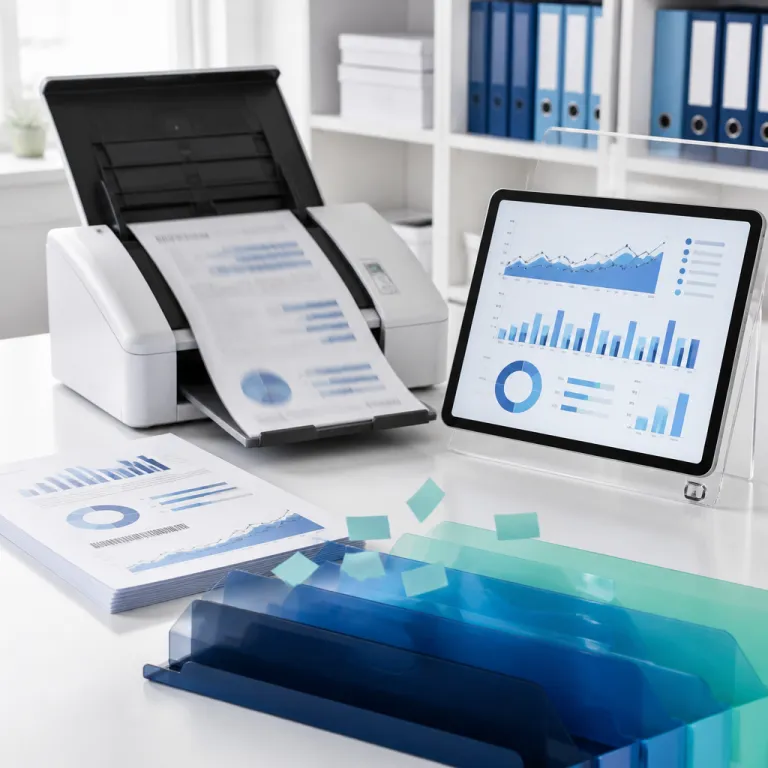
In practice, a typical dashboard might show trends in manager feedback frequency, average response time to issues, team engagement scores, internal mobility moves, completion of learning modules and subsequent changes in performance ratings. By monitoring these indicators together, organisations can see how leadership development activities translate into measurable improvements in team outcomes.
Using AI based management assessments to identify potential and internal mobility
Identifying leadership potential early is one of the most valuable outcomes of AI supported management assessment. By analysing patterns across multiple assessments, performance reviews and skills tests, AI can highlight people whose management skills are emerging even before they hold a formal manager role. This allows human resources teams to design specific development journeys for future leaders and to plan succession with greater confidence.
When management assessments include both behavioural questions and objective performance data, AI can detect subtle indicators of people management strength, such as consistent peer recognition or effective conflict resolution. A skills assessment might show that a team member has strong problem solving abilities, while a management test reveals high emotional intelligence and clear communication skills in group settings. Together, these signals support data informed decision making about who should enter leadership assessment programmes or internal mobility pipelines.
Linking management assessment results with internal mobility strategies also improves retention and engagement across teams. Research on internal mobility as a retention strategy shows that employees who move into roles aligned with their skills and potential tend to stay significantly longer. When AI connects assessment management data with career paths, human resources can match people to roles where their manager skills, leadership skills and performance trajectory are most likely to flourish.
For example, a technology company might use AI to flag high potential individual contributors whose collaboration scores, peer feedback and project outcomes resemble those of successful managers. By offering them stretch assignments, mentoring and a structured manager skills programme, the organisation can build a stronger internal leadership pipeline while reducing external hiring costs.
Designing fair and human centric AI management tests
For AI enabled management assessments to be trusted, they must be transparent, fair and respectful of people. Human resources leaders need to understand how each assessment test or skills test evaluates behaviours, communication and performance, and they must be able to explain these mechanisms to managers and team members. Clear governance around data usage, privacy and feedback is essential for ethical assessment management.
Fairness starts with the design of questions, rating scales and performance indicators that feed the management assessment algorithms. If a management test overemphasises one style of communication or decision making, it may disadvantage managers from different cultural backgrounds or with diverse leadership skills. Regular audits of management assessments, combined with human review of edge cases, help ensure that people management and leadership assessment outcomes remain equitable across all teams.
Human centric design also means giving managers and team members meaningful control over their professional development journeys. When a skills assessment or management assessment flags a gap in emotional intelligence or problem solving, the system should offer specific learning options rather than only a score. By combining AI generated insights with human coaching, organisations can turn every assessment into a constructive conversation about work, time management, team dynamics and long term potential.
Practical safeguards include documenting model inputs, monitoring score distributions for adverse impact, rotating question banks to reduce gaming, and providing clear explanations of how particular behaviours influence assessment outcomes. These measures help employees see AI as a support for fairer decisions rather than a mysterious black box.
Practical steps to implement AI driven management assessment in HR
Implementing AI based management assessments starts with a clear definition of goals, such as improving performance management, strengthening leadership skills or supporting internal mobility. Human resources teams should map existing assessments, skills tests and performance reviews to understand where AI can add value without replacing essential human judgement. This mapping exercise clarifies which management skills, communication skills and people management behaviours need the most attention.
Next, organisations can pilot AI enhanced assessment tests with a limited group of managers and teams, focusing on transparency and feedback. During the pilot, human resources should track how each management test or skills assessment influences decision making about promotions, coaching and professional development opportunities. Regular check ins with managers and team members help verify whether the test evaluates relevant behaviours and whether the management assessments feel fair and useful.
Scaling AI driven management assessment requires continuous training for managers on how to interpret analytics and translate them into action. Workshops can show how to use performance dashboards, leadership assessment reports and communication insights to support team members in daily work. Over time, this builds a culture where assessments are seen not as one off tests but as integrated tools for strengthening manager skills, enhancing performance and unlocking the full potential of every team.
To keep implementation grounded, HR can define a core KPI set that includes engagement scores, promotion decision cycle time, diversity of leadership pipelines, correlation between assessment results and subsequent performance ratings, and the percentage of managers with active development plans. Reviewing these indicators quarterly keeps AI initiatives aligned with business and people outcomes.
Key statistics on AI, performance analytics and management assessment
- According to a survey by Deloitte in 2020 on people analytics and performance management, organisations using AI in performance management reported up to 20 % higher employee engagement compared with those relying only on traditional reviews (Deloitte, 2020, Global Human Capital Trends, chapter on performance and people analytics; figures based on self reported survey responses).
- Research from McKinsey found that companies with advanced people analytics capabilities are 2.6 times more likely to have significantly higher ROI on talent related investments than peers without such capabilities (McKinsey, 2017, People analytics: Recalculating the route, based on a global survey of senior HR and business leaders).
- A study by Gartner indicated that more than 40 % of large enterprises have adopted AI enhanced talent assessment tools, with many reporting faster decision making in leadership assessment and succession planning (Gartner, 2022, Market Guide for Talent Assessment Tools, using data from vendor briefings and client surveys).
- Data from LinkedIn’s Global Talent Trends report showed that employees offered clear internal mobility paths based on skills assessment and performance data stay almost twice as long as those without such opportunities (LinkedIn, 2020, Global Talent Trends, analysis of aggregated LinkedIn member profiles and company data).
- According to the World Economic Forum, analytical thinking, complex problem solving and emotional intelligence are among the top skills that will be increasingly assessed in AI supported management assessments across industries (World Economic Forum, 2020, Future of Jobs Report, employer survey on emerging skills and assessment priorities).
FAQ about AI in management assessment and performance analytics
How does AI improve the accuracy of management assessment ?
AI improves management assessment accuracy by combining multiple data sources, such as performance metrics, feedback and behavioural indicators, instead of relying only on single point reviews. Algorithms can detect consistent patterns in decision making, communication and problem solving across many situations. This reduces bias and helps managers and human resources teams base decisions on evidence rather than isolated impressions.
Can AI based assessments replace human judgement in performance management ?
AI based assessments should support, not replace, human judgement in performance management. Algorithms can process large volumes of data and highlight trends in leadership skills, people management and team performance that humans might overlook. Final decisions about promotions, development plans or leadership assessment outcomes must still involve human discussion, context and ethical considerations.
How can organisations ensure fairness in AI driven management tests ?
Organisations ensure fairness by auditing AI models regularly, testing management tests for adverse impact and involving diverse stakeholders in assessment design. Clear documentation of how each assessment test or skills test evaluates behaviours helps managers and employees understand the process. Human resources teams should also provide appeal mechanisms and human review for contested management assessments.
What data is typically used in AI powered performance analytics ?
AI powered performance analytics often use data from performance reviews, goal tracking systems, collaboration tools and learning platforms. This can include metrics on delivery times, quality, feedback frequency and participation in professional development activities. All data must be collected transparently, with clear communication to people about how it supports management assessment and employee growth.
How can managers act on insights from AI based assessments ?
Managers can act on AI based assessment insights by translating them into specific development actions, such as targeted coaching, training or changes in team structure. When a management assessment highlights gaps in communication skills or emotional intelligence, managers should discuss these findings openly with team members and co create improvement plans. Regular follow up assessments then show whether these actions are improving performance, engagement and overall management skills.
Practical 3 step checklist for AI driven management assessment implementation
Step 1: Define objectives and baseline metrics. Clarify why you are introducing AI in management assessment and set starting values for key indicators such as employee engagement, internal mobility rates and time to promotion for emerging leaders.
Step 2: Run a focused pilot and measure impact. Select one business unit, introduce AI enhanced assessments and track changes in completion rates, perceived fairness scores from surveys and the percentage of managers receiving targeted development plans within 30 days.
Step 3: Scale with governance and continuous improvement. As you expand AI based performance analytics, monitor KPIs such as promotion decision cycle time, diversity of leadership pipelines and correlation between assessment results and subsequent performance ratings, then refine models and processes based on these insights.
