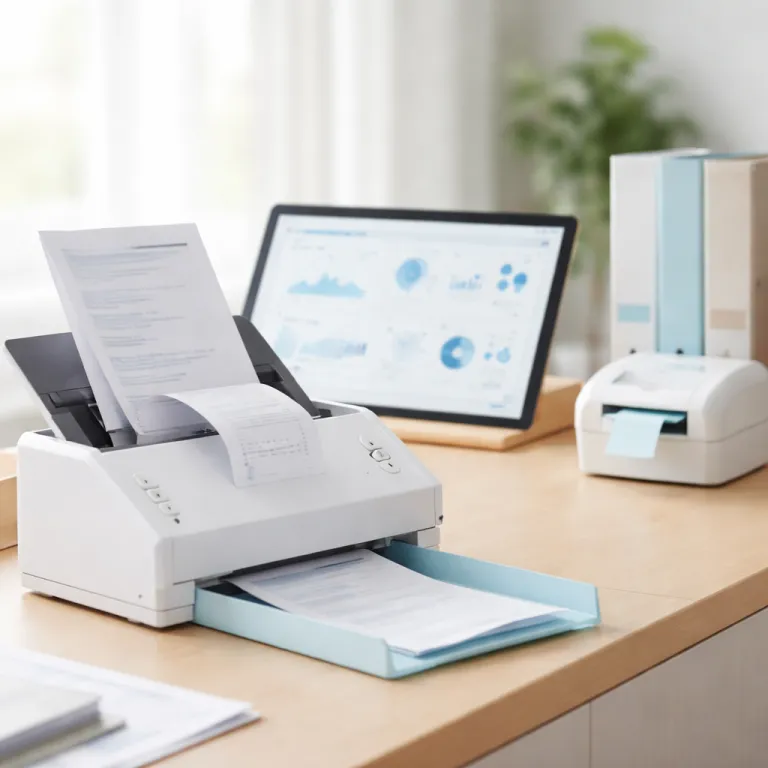
AI ready office assistant profiles for modern human resources teams
The modern office assistant job description is changing fast under AI. Human resources leaders now expect each office assistant to combine classic administrative skills with basic data literacy and digital awareness. This shift affects every office, from small firms to complex multinational environments.
In many organizations, the office assistant role now blends receptionist duties, office clerk routines, and light human resources coordination. The same job descriptions also mention collaboration with an office manager or director to keep workflows efficient and compliant. These evolving duties responsibilities require candidates with strong attention detail and the ability to learn new tools quickly.
AI tools already automate repetitive administrative tasks, from data entry to scheduling and document routing. An effective office assistant job description therefore highlights the assistant job focus on exception handling, problem solving, and human communication. Office assistants who understand how AI systems process data can better support managers and protect sensitive employee information.
For human resources teams, a precise job description clarifies which tasks remain human led and which are AI assisted. It also helps candidates understand the balance between general office work, administrative support, and occasional sales or event coordination. Clear language about office equipment, software, and data workflows reduces mismatched expectations during hiring.
Recruiters increasingly use AI to screen candidates for an administrative assistant or assistant office position. They still rely on structured interview questions to assess communication skills, empathy, and ethical judgment. A well written office assistant job description becomes the bridge between algorithmic preselection and human centered evaluation.
Key duties and AI enhanced responsibilities in the office assistant role
Traditional office assistant duties included answering phones, greeting visitors, and handling mail. Today, the same role often manages digital calendars, online meeting platforms, and AI powered routing of general office requests. The office assistant job description must therefore explain how technology supports, rather than replaces, human interaction.
Many office assistants now monitor shared inboxes where AI suggests responses or flags urgent messages. Human resources teams expect the assistant office position to triage these suggestions, apply attention detail, and escalate sensitive issues to a manager or director. This combination of automation and judgment is central to modern administrative tasks.
In HR focused offices, an administrative assistant may help coordinate interviews, prepare standard interview questions, and update candidate records. AI tools can prefill data entry fields and summarize résumés, while the assistant job still requires careful verification of each candidate profile. The office assistant role therefore becomes a quality control layer between AI outputs and human decisions.
Sales teams also rely on office assistants to support client meetings, proposals, and follow up communication. AI can generate draft emails or analyze sales data, but the assistant ensures tone, timing, and accuracy align with company values. A robust job description should highlight this support function across both administrative and sales contexts.
When describing duties responsibilities, HR professionals should specify which office equipment and software the assistant will use daily. This includes printers, scanners, collaboration platforms, and AI enabled HR systems used for employee records. For a detailed corporate example of AI in HR operations, see this analysis of how artificial intelligence is transforming the human resources of Apple.
Core skills and abilities for AI aware office assistants
Every effective office assistant job description now emphasizes a blend of soft skills and digital fluency. Strong communication skills remain essential, because the assistant job often represents the organization to visitors, suppliers, and candidates. At the same time, the ability to work confidently with AI tools and data systems is increasingly needed.
Attention detail is critical when reviewing AI generated documents, scheduling interviews, or updating HR data. Office assistants must verify names, dates, and duties responsibilities, especially when AI tools automate parts of the data entry process. This vigilance protects both human resources records and broader general office operations from costly errors.
Problem solving skills help office assistants manage unexpected situations, from last minute schedule changes to office equipment failures. AI can suggest options, but the office clerk or administrative assistant still decides which solution fits the context and people involved. The job description should therefore highlight adaptability, judgment, and the ability to prioritize tasks under pressure.
Most employers still accept a high school diploma as the baseline education requirement for office assistants. However, they increasingly value additional training in digital tools, basic analytics, and privacy aware handling of employee data. HR teams should mention any preferred certifications directly in their job descriptions to attract the right candidates.
In organizations navigating complex labor regulations, AI can assist with compliance monitoring and document tracking. The office assistant role then includes supporting the office manager or director with timely filings and accurate records. For context on how automation affects employment processes, HR leaders can review this discussion of whether we can expect faster PERM processing times.
Writing AI informed office assistant job descriptions for human resources
Human resources professionals must now write each office assistant job description with AI in mind. This means clearly stating which administrative tasks are automated and which require human oversight and communication skills. Transparent language helps candidates understand how they will interact with AI tools during daily work.
When drafting job descriptions, HR teams should structure sections around role purpose, key duties, required skills, and reporting lines. They should explain how the office assistant supports the office manager, director, and broader human resources function. Mentioning collaboration with sales or operations teams also clarifies cross departmental expectations.
To attract qualified candidates, HR should specify the mix of general office tasks, data entry, and people facing duties. For example, the description might state that the assistant office position handles visitor reception, meeting logistics, and basic HR data updates. It should also list the main office equipment and software platforms used in the role.
AI can help HR refine language, compare similar assistant job postings, and benchmark compensation. However, human review remains essential to ensure fairness, inclusivity, and alignment with organizational culture. Clear statements about equal opportunity and privacy respectful handling of candidate data build trust in the hiring process.
As global competition intensifies, HR leaders increasingly rely on AI driven analytics to shape workforce planning. The office assistant role supports these strategies by maintaining accurate data and smooth administrative workflows. For a broader view of how omnipresent competitors reshape AI driven HR and employment, consult this article on how omnipresent competitors are reshaping AI driven HR and global employment.
AI powered hiring for office assistants and ethical safeguards
Recruiting for an office assistant role increasingly involves AI based screening and assessment tools. These systems analyze résumés, match skills to the job description, and sometimes propose interview questions. Human resources teams must still validate each recommendation and ensure that candidates are treated fairly.
AI can quickly scan large volumes of applications for administrative assistant or office clerk positions. It identifies keywords related to communication skills, attention detail, and relevant experience with administrative tasks. However, HR professionals must check that promising candidates are not excluded due to unconventional career paths or nonstandard job titles.
During interviews, managers and directors use structured interview questions to evaluate both technical and interpersonal abilities. They assess how candidates handle data entry, office equipment, and general office coordination, while also exploring empathy and discretion. AI tools may suggest question banks, but final decisions rest with human interviewers.
Ethical hiring requires transparency about how AI influences selection for office assistants and similar roles. HR should explain to candidates how their data is processed, stored, and used during screening. Clear communication builds trust and aligns with broader human resources responsibilities for fairness and compliance.
Organizations should regularly audit AI hiring tools for bias, especially when recruiting for assistant office or sales support positions. They must ensure that job descriptions, scoring models, and decision rules do not disadvantage particular groups. This ongoing oversight protects both candidates and the reputation of the office manager and HR leadership.
Future ready office assistants in AI driven workplaces
As AI capabilities expand, the office assistant job description will continue to evolve. Future office assistants will coordinate more complex workflows, integrating human resources, sales, and operations data. Their role will center on judgment, relationship building, and responsible use of technology.
Office assistants who invest in continuous learning will remain valuable partners to managers and directors. Training in digital tools, privacy aware data handling, and inclusive communication skills will complement traditional administrative strengths. HR teams can support this growth by offering development paths from office clerk to administrative assistant or office manager.
In many organizations, the assistant job will become a gateway to broader HR or operations careers. Exposure to general office processes, data entry systems, and AI enabled platforms builds versatile experience. Job descriptions should highlight these progression opportunities to attract ambitious candidates with strong attention detail.
AI will increasingly handle routine administrative tasks, but humans will still manage exceptions and sensitive interactions. The office assistant role will remain essential for coordinating people, information, and office equipment in complex environments. Clear, AI informed job descriptions will help organizations hire candidates who can thrive in this setting.
For HR leaders, aligning office assistant duties responsibilities with AI strategies supports both efficiency and employee experience. Thoughtful integration of automation, human oversight, and ethical safeguards will define successful workplaces. This balance ensures that technology enhances, rather than diminishes, the human value at the heart of every office.
Questions people also ask about AI and office assistant roles
How is AI changing the typical office assistant job description ?
AI is shifting the office assistant job description toward higher value work by automating repetitive administrative tasks such as scheduling, routing emails, and basic data entry. Office assistants now focus more on exception handling, coordination across teams, and quality control of AI generated outputs. This change requires stronger communication skills, digital literacy, and attention detail in both singular and plural office contexts.
Which skills are most important for AI aware office assistants ?
AI aware office assistants need strong communication skills, problem solving ability, and meticulous attention detail to supervise automated processes. They also require confidence with office equipment, collaboration platforms, and HR or sales data systems that increasingly embed AI features. These skills help them support managers, directors, and human resources teams while maintaining accurate records and positive workplace relationships.
How should human resources write AI informed job descriptions ?
Human resources teams should clearly distinguish between tasks handled by AI and those requiring human judgment when writing job descriptions. They must describe duties responsibilities, required skills, and reporting lines in language that reflects both general office work and AI supported workflows. Transparent descriptions help candidates understand expectations and prepare for interview questions about technology use and ethical data handling.
Will AI reduce the number of office assistant jobs ?
AI is more likely to reshape than eliminate office assistant jobs by changing the mix of tasks. Routine administrative tasks may decline, while coordination, data quality control, and cross functional support for sales and HR functions become more prominent. Organizations that invest in training and clear job descriptions can redeploy office assistants into higher value roles rather than removing positions.
What education is needed for future office assistants in AI driven offices ?
Most employers still accept a high school diploma for office assistants, but they increasingly value additional training in digital tools and data handling. Short courses in office software, privacy aware practices, and basic analytics can strengthen a candidate profile. HR teams should mention these preferences in job descriptions to attract candidates ready for AI enhanced administrative work.
