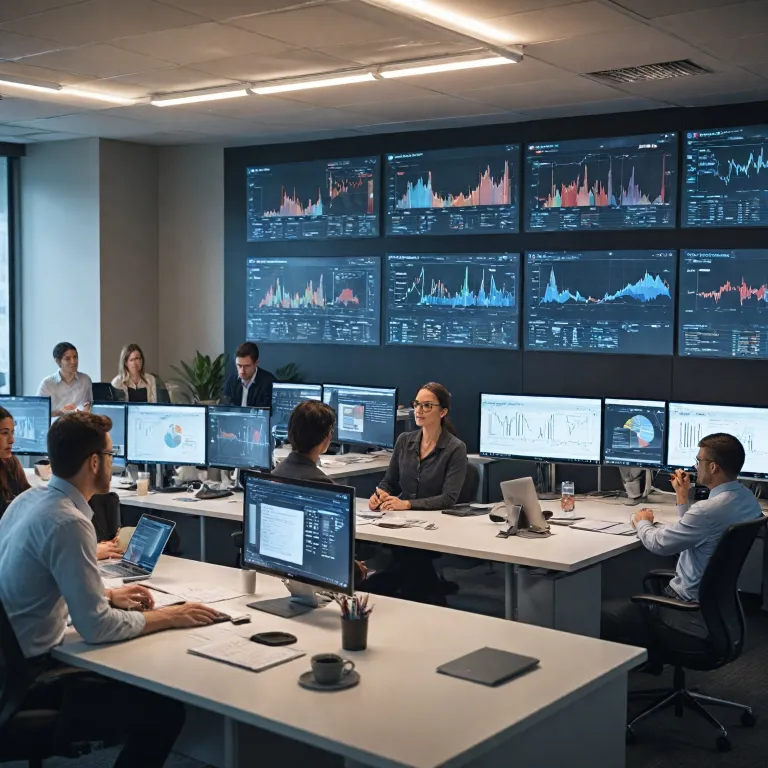
Understanding predictive workforce analytics
What is Predictive Workforce Analytics?
Predictive workforce analytics is a data-driven approach that uses historical data, advanced analytics, and predictive models to forecast future trends in human resources. By analyzing employee data, performance metrics, and business outcomes, organizations can gain actionable insights into their workforce. This enables HR professionals to make informed decisions about hiring, workforce planning, and employee development, ultimately improving productivity and reducing turnover.
How Does Predictive Analytics Work in HR?
At its core, predictive analytics in HR combines data science techniques with people analytics to identify patterns and predict future outcomes. For example, by examining historical data on employee performance, turnover, and skills, organizations can anticipate which employees are at risk of leaving (flight risk) or identify top performers who may be ready for new challenges. These insights help HR teams address skills gaps, optimize hiring strategies, and enhance the overall employee experience.
- Data sources: Predictive workforce analytics leverages a variety of data sources, including employee surveys, performance reviews, attendance records, and even real-time data from workplace systems.
- Predictive models: These models use algorithms to analyze trends and forecast outcomes, supporting data-driven decisions in areas like talent acquisition and workforce planning.
- Business impact: With predictive analytics, organizations can proactively address challenges such as high turnover or productivity dips, leading to better business results.
Analytics helps HR professionals move beyond intuition, enabling evidence-based decisions that support both employees and business goals. As organizations continue to adopt predictive workforce analytics, they are better equipped to respond to changing workforce needs and drive sustainable growth. For more on how analytics is reshaping HR processes, explore this business intelligence strategies in HR resource.
Key benefits for HR professionals
Unlocking Value with Predictive Workforce Analytics
Predictive workforce analytics is reshaping how human resources professionals make decisions. By leveraging historical data and real time insights, organizations can move from reactive to proactive strategies. This shift is helping HR teams anticipate workforce trends, address skills gaps, and improve overall business performance.- Data driven decisions: Analytics helps HR professionals use employee data to predict future workforce needs. This means better workforce planning and more accurate hiring forecasts.
- Identifying top performers and flight risk: Predictive models analyze patterns in employee performance and engagement, helping to spot high-potential employees and those at risk of turnover. This enables targeted retention efforts and supports a positive employee experience.
- Optimizing talent acquisition: By analyzing data from multiple sources, predictive analytics can identify the best candidates for open roles, reducing time-to-hire and improving quality of hire.
- Enhancing productivity: Workforce analytics uncovers trends that impact productivity, such as absenteeism or skills shortages. This allows HR to implement timely interventions and training programs.
- Supporting business growth: With insights from people analytics, organizations can align workforce strategies with business goals, ensuring the right skills are available when needed.
Common challenges and limitations
Barriers to Accurate Predictions and Adoption
While predictive workforce analytics offers significant value for human resources, it is not without its challenges. One of the main hurdles is data quality. Inconsistent or incomplete employee data can lead to unreliable predictive models, making it difficult for organizations to trust the insights generated. Many HR teams also struggle with integrating data from multiple sources, such as performance reviews, hiring records, and real time productivity metrics. This fragmentation can limit the effectiveness of analytics predictive tools.
Skills Gap and Data Literacy
Another challenge is the skills gap within HR teams. Leveraging predictive analytics and people analytics requires a certain level of data science expertise. Not all HR professionals are comfortable interpreting complex analytics or using advanced predictive models for workforce planning. This can slow down adoption and limit the impact of data driven decisions. Upskilling HR teams in analytics helps bridge this gap, but it takes time and investment.
Bias, Privacy, and Ethical Risks
Predictive workforce analytics can unintentionally reinforce existing biases in hiring or promotion if historical data reflects past inequalities. Ensuring fairness in predictive models is a constant concern. Additionally, handling sensitive employee data raises privacy issues. Organizations must comply with data protection regulations and be transparent about how employee data is used for predictive purposes. Responsible use of analytics is crucial to maintain trust and a positive employee experience.
Limitations in Predicting Human Behavior
Even with advanced analytics, predicting future employee performance, turnover, or flight risk is not an exact science. Human behavior is influenced by many unpredictable factors, both inside and outside of work. Predictive models can provide valuable insights, but they should not be the sole basis for critical HR decisions. Combining analytics with human judgment remains essential for effective workforce planning.
For organizations looking to overcome these challenges, adopting advanced scheduling and workforce planning tools can help streamline data collection and improve the accuracy of predictive analytics. To learn more about how technology can enhance workforce efficiency, explore this resource on advanced call center scheduling tools.
Practical applications in talent acquisition
Predictive Analytics in Modern Hiring Strategies
Predictive workforce analytics is reshaping how organizations approach talent acquisition. By leveraging employee data and advanced predictive models, HR professionals can make more data driven decisions throughout the hiring process. This shift moves recruitment from intuition-based choices to evidence-based strategies, improving both efficiency and outcomes.How Analytics Helps Identify Top Performers
Organizations now use historical data and real time insights to identify the characteristics of high-performing employees. These analytics-driven insights help recruiters:- Pinpoint the skills and experiences that correlate with strong performance
- Predict which candidates are most likely to succeed in specific roles
- Reduce turnover by hiring people who fit the company culture and future needs
Closing the Skills Gap with Data Science
Predictive workforce analytics enables HR teams to spot skills gaps before they impact business performance. By analyzing workforce data, organizations can:- Forecast future talent needs based on business goals
- Align hiring strategies with long-term workforce planning
- Develop targeted recruitment campaigns to attract candidates with in-demand skills
Improving Candidate Experience and Reducing Bias
Data driven hiring decisions can also enhance the candidate experience. Predictive analytics helps streamline the recruitment process, making it faster and more transparent. At the same time, using objective data sources reduces the risk of unconscious bias, supporting fairer and more inclusive hiring practices.Real Time Insights for Agile Talent Acquisition
With access to real time analytics, HR teams can quickly adapt to changing business needs. For example, if predictive models indicate a spike in turnover or a sudden demand for new skills, recruiters can adjust their strategies immediately. This agility is crucial for organizations competing in fast-moving markets. Predictive workforce analytics is not just a trend—it is a vital tool for modern human resources. By integrating people analytics and predictive models into talent acquisition, organizations can build stronger teams, improve productivity, and make better decisions for the future.Enhancing employee retention and development
Predicting and Preventing Employee Turnover
Predictive workforce analytics is reshaping how organizations approach employee retention. By analyzing historical data, workforce analytics can identify patterns that signal when employees may be at risk of leaving. These predictive models use data points such as performance trends, engagement scores, and even real time feedback to flag potential flight risks. This allows human resources teams to take proactive steps, such as targeted interventions or career development opportunities, to retain top performers and reduce costly turnover.
Personalized Development and Upskilling
With predictive analytics, HR professionals can pinpoint skills gaps across the workforce and design tailored development programs. People analytics helps organizations understand which skills will be most valuable in the future, enabling data driven decisions about training investments. This not only boosts employee experience but also ensures the business is ready to meet future demands. By leveraging diverse data sources, companies can match employees with learning paths that align with both individual aspirations and business needs.
Optimizing Workforce Planning for Growth
Data science and analytics predictive tools provide insights into workforce planning by forecasting future talent needs. This helps organizations prepare for changes in demand, whether it’s scaling up for growth or adapting to new business models. Predictive workforce analytics supports smarter hiring decisions and ensures the right people are in the right roles at the right time. This approach improves productivity and helps organizations stay competitive in a rapidly changing work environment.
- Identify and address skills gaps before they impact performance
- Predict and reduce employee turnover with targeted actions
- Enhance employee experience through personalized development
- Support data driven workforce planning and business growth
By integrating predictive analytics into employee retention and development strategies, organizations can make more informed decisions, boost productivity, and create a more resilient workforce. The future of human resources is increasingly data driven, and those who embrace analytics will be better equipped to support both people and business goals.
Ethical considerations and responsible AI use
Building Trust with Transparent Predictive Models
As organizations increasingly rely on predictive workforce analytics to guide hiring, workforce planning, and employee development, transparency becomes essential. Employees and stakeholders need to understand how predictive models use data to inform decisions about performance, turnover, and future skills needs. Clear communication about data sources, model logic, and the intended use of insights helps build trust and reduces concerns about bias or unfair treatment.
Protecting Employee Data and Privacy
Analytics predictive tools often process vast amounts of employee data, including historical data, performance metrics, and even real-time feedback. Human resources teams must ensure that all data-driven initiatives comply with privacy regulations and internal policies. Limiting access to sensitive information, anonymizing data where possible, and regularly auditing data science practices are critical steps to protect employee experience and maintain ethical standards.
Mitigating Bias in People Analytics
Predictive analytics can unintentionally reinforce existing biases if not carefully managed. For example, using historical data without considering past inequities may lead to unfair predictions about flight risk or top performers. HR professionals should routinely review predictive models for bias, validate outcomes across diverse employee groups, and adjust algorithms to promote fairness in workforce analytics-driven decisions.
Balancing Automation and Human Judgment
While predictive workforce analytics offers powerful insights for business and people decisions, it is important to remember that analytics helps inform—not replace—human judgment. HR leaders should use predictive models as one input among many, combining data-driven recommendations with their expertise and understanding of organizational culture. This balance ensures that decisions about hiring, skills gap analysis, and employee development remain human-centric and responsible.
Continuous Monitoring and Responsible AI Use
Organizations must commit to ongoing monitoring of predictive analytics systems. Regularly evaluating the impact of analytics on employee outcomes, productivity, and turnover helps identify unintended consequences early. Establishing clear guidelines for responsible AI use, including transparency, accountability, and fairness, supports ethical adoption of workforce analytics and strengthens trust across the business.
