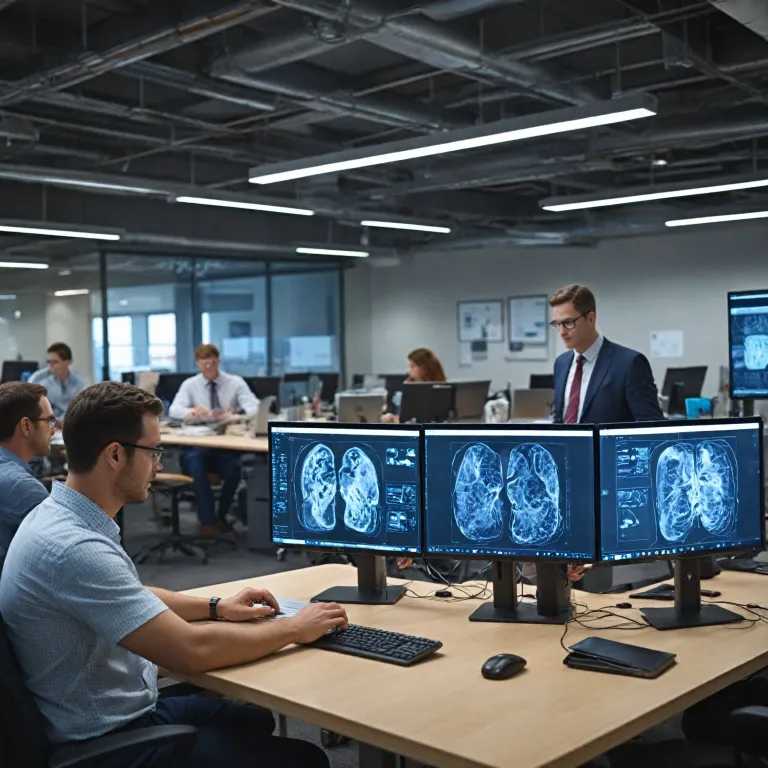
Understanding the intersection of hr marketing and artificial intelligence
The Changing Landscape of HR Marketing
Human resources marketing is undergoing a significant transformation as artificial intelligence becomes more integrated into business processes. Traditionally, HR marketing focused on building a strong employer brand, attracting top talent, and communicating company values to a target audience. Today, AI is reshaping these strategies by providing new tools and insights that help companies stand out in a competitive market.
Why AI Matters for Recruitment and Employer Branding
AI-driven solutions are helping companies improve marketing strategies by analyzing large volumes of data from social media, job boards, and employee feedback. This enables HR teams to better understand what attracts candidates and what keeps employees engaged. With these insights, businesses can create more effective marketing content and refine their recruitment strategy to reach the right people at the right time.
- Personalized content: AI helps tailor messages to specific audiences, making employer branding more relevant and engaging.
- Efficient targeting: Companies can use AI to identify where top talent is most active online, optimizing their marketing human resources efforts.
- Enhanced analytics: AI tools provide deeper insights into candidate experience and employee engagement, supporting continuous improvement in HR marketing.
Connecting HR Marketing with Business Goals
Integrating AI into HR marketing strategies is not just about technology; it is about aligning marketing efforts with broader business objectives. By leveraging AI, companies can better communicate their employer brand, attract top candidates, and foster a culture that reflects company values. This approach will help organizations remain competitive in a rapidly evolving market.
For those interested in how AI is enhancing overall workforce strategy, you can read more about enhancing workforce strategy with total talent management.
Personalizing candidate experiences with AI
Creating Unique Journeys for Every Candidate
Artificial intelligence is transforming how companies approach recruitment marketing by making candidate experiences more personal and engaging. Instead of generic communication, AI helps tailor messages, content, and interactions to each individual. This shift is not just about technology; it’s about understanding people and what motivates them to join a company.
- Personalized communication: AI tools analyze data from social media, job boards, and previous interactions to send relevant messages to candidates. This means candidates receive content that matches their interests, skills, and career goals, making them feel valued from the first contact.
- Targeted content marketing: Companies can use AI to segment their audience and deliver employer branding content that speaks directly to different talent pools. For example, a business might highlight its training development programs to early-career professionals, while showcasing leadership opportunities to experienced candidates.
- Improved candidate experience: AI-powered chatbots and virtual assistants provide instant answers to questions, guide candidates through the application process, and offer feedback. This helps reduce frustration and keeps top talent engaged throughout the recruitment journey.
These strategies are not just about attracting more applicants; they are about attracting the right people who align with your company values and culture. When candidates feel understood and supported, they are more likely to become engaged employees who contribute to your employer brand.
Personalization also helps companies stand out in a crowded market. With so many businesses competing for attention, delivering a tailored experience can be the difference between attracting top talent and losing them to a competitor. Effective marketing strategies that use AI will help companies build stronger relationships with their target audience and improve marketing outcomes.
For a deeper look at how AI-driven HR programs can enhance employer branding and attract top talent, read this article on enhancing employer branding with AI.
Data-driven employer branding
Leveraging Data Insights to Strengthen Employer Branding
Today, employer branding is no longer just about catchy slogans or polished social media posts. Artificial intelligence is transforming how companies understand and communicate their brand to the market and target audience. By analyzing large volumes of data from various sources, AI helps human resources and marketing teams uncover what truly resonates with potential candidates and current employees.- Identifying trends: AI tools can scan social media, review sites, and internal feedback to spot emerging trends in employee engagement and candidate experience. This enables businesses to adjust their employer branding strategies quickly, ensuring they remain relevant and attractive to top talent.
- Content optimization: AI can analyze which types of content perform best with your audience, helping you refine your content marketing approach. Whether it’s blog posts, videos, or employee testimonials, AI insights will help you create more effective marketing materials that align with your company values and business goals.
- Personalized messaging: With AI, companies can tailor their messaging to different segments of their target audience. This means your recruitment strategy can speak directly to the needs and interests of specific talent pools, improving your ability to attract top candidates.
Making Employer Branding Measurable and Actionable
AI-powered analytics platforms allow HR and marketing human resources teams to measure the impact of their employer branding efforts more accurately. By tracking key metrics such as candidate engagement, application rates, and employee sentiment, companies can see what’s working and where they need to improve marketing strategies.| AI Application | Benefit for Employer Branding |
|---|---|
| Sentiment Analysis | Detects employee and candidate perceptions to guide brand messaging |
| Predictive Analytics | Forecasts talent market trends to inform recruitment and marketing strategy |
| Content Performance Tracking | Shows which employer brand content attracts and engages your audience |
Real-World Impact: From Insights to Action
The integration of AI in employer branding is not just theoretical. For example, companies using AI-driven HR platforms have reported improved employee engagement and a stronger employer brand presence in the market. These tools help align recruitment strategy with company values and business objectives, making it easier to attract and retain top talent. If you want to see how AI is already transforming HR processes, including employer branding and payroll, you can read this in-depth article on AI-powered HR process transformation. AI-driven data insights are reshaping how companies approach employer branding, making it more data-driven, measurable, and aligned with both business and people goals. This shift will help organizations stand out in a competitive talent market and build lasting relationships with employees.Automating repetitive hr marketing tasks
Streamlining HR Marketing Operations with Automation
Artificial intelligence is transforming the way companies approach repetitive tasks in HR marketing. By automating routine activities, businesses can focus more on strategic initiatives that enhance their employer brand and attract top talent. Automation tools powered by AI are now handling tasks that once consumed valuable human resources, allowing HR teams to work more efficiently and effectively.
- Automated content scheduling: AI-driven platforms can schedule and publish content across multiple social media channels, ensuring consistent messaging and maximizing audience reach. This helps maintain a strong employer brand presence in the market.
- Candidate communication: Chatbots and automated email workflows provide timely responses to candidates, improving the candidate experience and keeping potential employees engaged throughout the recruitment process.
- Data management: AI tools can organize and analyze large volumes of candidate and employee data, supporting more effective marketing strategies and recruitment campaigns.
- Personalized job recommendations: Automation can match job openings with the right candidates based on skills, experience, and interests, helping companies attract top talent more efficiently.
These automation strategies not only save time but also reduce the risk of human error. They enable HR professionals to allocate more resources to creative and strategic work, such as developing engaging content marketing campaigns or refining the company’s employer branding. In a competitive market, leveraging AI to automate repetitive HR marketing tasks will help businesses stay ahead and connect with their target audience more effectively.
As automation continues to evolve, companies should regularly review their marketing strategies and tools to ensure they align with business goals and company values. This approach will help improve marketing outcomes and strengthen employee engagement, making the company more attractive to both current and prospective employees.
Challenges and ethical considerations in AI-powered hr marketing
Addressing Bias and Fairness in AI-Driven HR Marketing
As companies integrate artificial intelligence into their HR marketing strategies, ensuring fairness and minimizing bias becomes a top priority. AI systems, when used for recruitment or employer branding, can unintentionally reinforce existing biases if the data they are trained on is not carefully curated. This can impact how a business attracts top talent and how its employer brand is perceived by the target audience.
- Bias in Algorithms: AI tools often rely on historical data, which may reflect previous biases in recruitment or employee engagement. This can lead to unfair outcomes, such as favoring certain groups over others, and may harm the company’s reputation in the market.
- Transparency: Employees and candidates expect transparency in how their data is used. Companies must clearly communicate how AI influences recruitment strategy, content marketing, and the overall candidate experience. This builds trust with both current employees and potential hires.
- Ethical Use of Data: Collecting and analyzing large volumes of data for marketing human resources or improving marketing strategies raises privacy concerns. Businesses need to ensure compliance with data protection regulations and respect the privacy of their audience.
Balancing Automation with Human Touch
While automating repetitive HR marketing tasks can improve efficiency, over-reliance on AI risks making interactions feel impersonal. Effective marketing in human resources still requires a balance between technology and genuine human connection. Employees and candidates value authentic communication that reflects company values and culture.
- Maintaining Engagement: Automated content and social media campaigns can help attract candidates, but employee engagement often depends on personalized, meaningful interactions.
- Content Oversight: AI-generated content must be reviewed to ensure it aligns with the employer brand and resonates with the intended audience. Human oversight will help maintain quality and relevance in all marketing strategies.
Ensuring Accountability and Continuous Improvement
Companies must regularly evaluate their AI-powered HR marketing tools to ensure they support business goals and reflect ethical standards. Training development for HR professionals on AI best practices is essential. This will help organizations adapt their recruitment strategy and employer branding efforts to changing market expectations.
- Ongoing Training: Providing resources and training for HR teams ensures they understand how to use AI responsibly and effectively.
- Feedback Loops: Collecting feedback from employees and candidates helps companies refine their marketing strategies and improve the candidate experience over time.
By addressing these challenges and ethical considerations, businesses can use AI to enhance their HR marketing while building trust with their audience and supporting long-term success in attracting and retaining top talent.
Future trends in AI for hr marketing
Emerging AI Technologies Shaping HR Marketing
Artificial intelligence is rapidly transforming how companies approach HR marketing. As new technologies emerge, businesses are finding innovative ways to attract top talent, enhance employer branding, and improve marketing strategies. AI-powered tools are helping organizations analyze market trends, understand their target audience, and create more effective marketing content. These advancements are not only streamlining recruitment processes but also enabling companies to deliver personalized experiences that resonate with potential employees.
Integrating AI with Employee Engagement and Training
Looking ahead, AI will play a bigger role in employee engagement and training development. By analyzing employee feedback and work patterns, AI can help HR teams design strategies that foster a positive work environment and align with company values. This integration supports ongoing learning and development, ensuring that employees remain engaged and motivated. Companies that leverage AI for these purposes will help strengthen their employer brand and stand out in a competitive market.
AI-Driven Content Marketing and Social Media Strategies
AI is also changing how companies manage content marketing and social media. Automated tools can generate targeted content that speaks directly to the needs and interests of the desired audience. This approach not only saves time but also ensures that marketing human resources are used efficiently. By analyzing data from various channels, businesses can refine their marketing strategy and reach candidates who are the best fit for their organization.
Preparing for the Future: Ethical Use and Continuous Improvement
As AI becomes more integrated into HR marketing, companies must remain mindful of ethical considerations. Ensuring transparency, fairness, and data privacy will be crucial for building trust with both current and potential employees. Organizations should invest in ongoing training and development to keep their HR teams updated on the latest AI trends and best practices. By doing so, they can adapt their recruitment strategy, attract top talent, and maintain an effective marketing approach in a rapidly evolving landscape.
