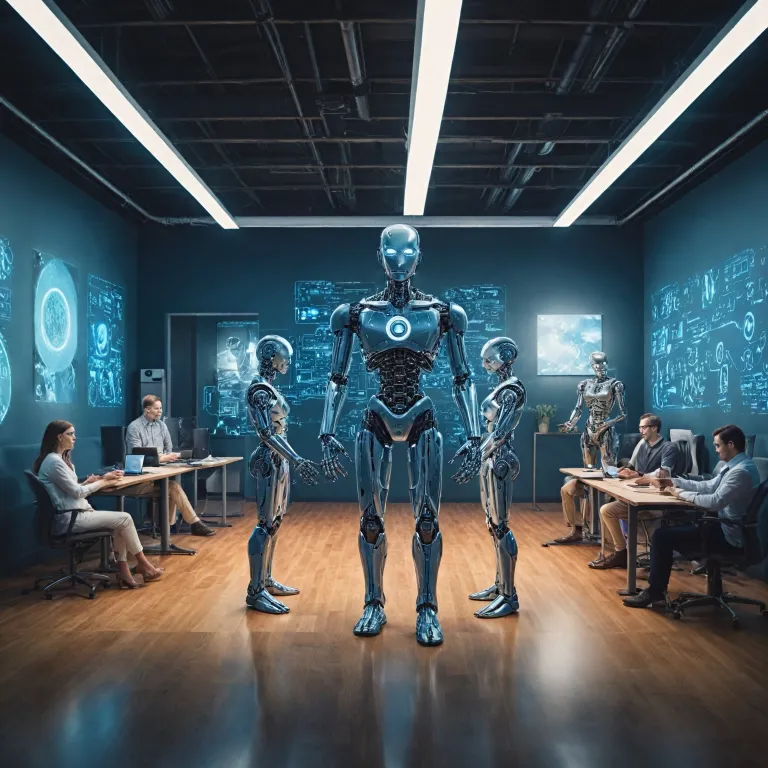
Understanding the link between employee engagement and employee retention
The Critical Connection Between Engagement and Retention
For any organization aiming for long-term success, understanding the relationship between employee engagement and employee retention is essential. Engaged employees are more likely to stay with their company, contribute to a positive company culture, and drive high organizational performance. When employees feel valued and connected to their work, their commitment to the organization grows, reducing employee turnover and the costs associated with replacing talent.
Employee engagement is not just about satisfaction. It’s about how team members experience their work life, how much they feel their contributions matter, and whether they see opportunities for growth. When engagement is high, employees are more productive, innovative, and willing to go the extra mile. This, in turn, strengthens retention strategies and helps organizations retain top talent.
- Engagement metrics help human resources and management teams measure how employees feel about their work, team, and leadership.
- High engagement leads to better retention employee outcomes, as engaged employees are less likely to seek opportunities elsewhere.
- Organizations with strong engagement strategies often see improved performance, lower turnover, and a healthier organizational culture.
On the other hand, low engagement can signal risks for employee turnover. When employees are disengaged, they may feel disconnected from the company’s mission, undervalued by managers, or unsupported in their roles. This can quickly lead to higher turnover rates, impacting the company’s ability to maintain a high-performing team and meet business goals.
To improve employee engagement and retention, companies need to adopt a holistic talent management strategy. This includes listening to employees, acting on feedback, and creating an environment where team members feel empowered and supported. As we’ll explore further, artificial intelligence is now playing a significant role in analyzing engagement employee data, predicting turnover risks, and supporting more effective retention strategies. For a deeper dive into how AI is helping organizations understand employee flight risk, check out this resource.
How artificial intelligence analyzes employee sentiment
Unlocking Employee Sentiment with AI-Powered Insights
Understanding how employees feel about their work, management, and company culture is essential for any organization aiming to improve employee engagement and retention. Artificial intelligence is now at the forefront of this transformation, offering human resources teams advanced tools to analyze employee sentiment at scale. By leveraging AI, companies can move beyond traditional surveys and tap into real-time feedback, helping managers and HR professionals identify what truly drives engagement and organizational performance.
AI systems can process vast amounts of data from various sources, such as employee feedback platforms, emails, chat messages, and even performance reviews. These technologies use natural language processing to detect patterns, emotions, and engagement metrics that might be missed by manual analysis. This means organizations can quickly spot trends, such as declining morale or increased stress, which could signal potential turnover risks or a need for new retention strategies.
- Continuous monitoring: AI tools can track employee sentiment over time, providing a dynamic view of engagement and helping managers respond proactively.
- Uncovering hidden issues: By analyzing unstructured data, AI can highlight problems that employees may not voice directly, supporting a healthier company culture and more effective talent management.
- Supporting engagement strategies: Insights from AI analysis help organizations tailor their engagement strategies, ensuring employees feel heard and valued, which is crucial for long-term retention.
For example, when AI identifies a drop in engagement among certain teams, management can intervene with targeted support or adjust work life balance initiatives. This proactive approach not only helps retain high-performing talent but also strengthens the overall engagement retention link within the company.
To dive deeper into how data-driven insights impact retention, you can explore this resource on understanding attrition rates in employee reward programs.
Ultimately, integrating AI into human resources empowers organizations to improve employee experience, keep team members engaged, and build a more resilient workforce. The ability to analyze sentiment at scale is quickly becoming a cornerstone of effective talent management and organizational strategy.
Personalizing employee experiences with AI
Tailoring the Employee Experience with AI
Personalization is at the heart of modern talent management. Artificial intelligence is now enabling organizations to create more meaningful and individualized experiences for employees, which can significantly boost engagement and retention. By analyzing engagement metrics and feedback, AI tools help human resources teams understand what motivates team members and where improvements are needed.
- Customized learning paths: AI-driven platforms can recommend training and development opportunities based on each employee’s skills, interests, and career goals. This approach not only helps employees feel valued but also aligns their growth with organizational performance.
- Flexible work-life solutions: AI can analyze work patterns and suggest flexible schedules or remote work options that improve work-life balance. When employees feel their needs are recognized, they are more likely to stay engaged and committed to the company.
- Personalized communication: AI-powered chatbots and communication tools can deliver tailored messages, surveys, and recognition at the right moments, making employees feel seen and appreciated. This strengthens the connection between management and team members, supporting a positive company culture.
Organizations that leverage AI to personalize the employee experience often see higher engagement and lower turnover. Engaged employees are more productive and contribute to a stronger organizational strategy. For example, seamless digital experiences, such as enhancing employee experience through seamless login systems, can reduce frustration and help employees focus on high-value work.
Ultimately, AI-driven personalization is becoming a key part of retention strategies. By meeting the unique needs of each employee, companies can improve employee engagement and create a workplace where employees feel empowered to perform at their best for the long term.
Predicting turnover risks using artificial intelligence
Spotting Early Warning Signs of Employee Turnover
Artificial intelligence is reshaping how organizations approach employee retention by identifying turnover risks before they become critical. AI systems can process vast amounts of data from engagement surveys, performance reviews, attendance records, and even communication patterns. By analyzing these data points, AI uncovers subtle trends that might signal an employee is at risk of leaving. For example, a sudden drop in engagement metrics or a shift in work life balance can be early indicators that require attention from management.
How AI Predicts Who Might Leave
AI-powered tools use predictive analytics to assess the likelihood of employee turnover. These systems evaluate factors such as job satisfaction, recent changes in team structure, and feedback from engagement surveys. By continuously monitoring these variables, AI helps human resources teams and managers understand which employees may need additional support or recognition to stay engaged. This approach allows organizations to act proactively, rather than reactively, when it comes to retention strategies.
- Engagement metrics: AI tracks how engaged employees feel over time, highlighting those whose engagement is declining.
- Performance trends: Fluctuations in performance can signal disengagement or dissatisfaction, both of which are linked to higher turnover.
- Organizational changes: AI can flag when changes in management or team structure impact employee experience and retention.
Supporting Talent Management with Actionable Insights
With AI-driven predictions, companies can tailor their retention strategies to individual needs. For example, if AI identifies a high-performing team member as a potential flight risk, management can intervene with personalized engagement strategies or career development opportunities. This not only improves employee retention but also strengthens company culture and organizational performance in the long term.
Ultimately, AI empowers HR professionals to make data-driven decisions that improve employee engagement and reduce turnover. By leveraging these insights, organizations can create a work environment where employees feel valued, engaged, and motivated to stay.
AI-driven strategies for improving workplace culture
Leveraging AI to Shape a Positive Company Culture
Artificial intelligence is becoming a powerful ally for organizations aiming to improve employee engagement and retention. By analyzing engagement metrics and feedback, AI helps management teams identify patterns that might otherwise go unnoticed. This data-driven approach allows companies to create targeted engagement strategies that foster a high-performing and supportive work environment.- Real-time feedback: AI-powered platforms can collect and analyze employee feedback continuously, giving managers actionable insights to address concerns quickly. This helps employees feel heard and valued, which is essential for long-term engagement and retention.
- Personalized recognition: AI tools can recommend personalized recognition programs based on individual and team achievements. Recognizing engaged employees in meaningful ways boosts morale and reinforces a positive organizational culture.
- Optimizing communication: AI can highlight communication gaps within teams, enabling leaders to adjust their approach and ensure all team members feel included. Improved communication is a cornerstone of a healthy company culture and directly impacts employee experience.
- Supporting work-life balance: By analyzing workload patterns and employee sentiment, AI can suggest adjustments to improve work-life balance. This proactive strategy helps reduce employee turnover and supports retention strategies.
Empowering Managers with Actionable Insights
Managers play a critical role in shaping the organizational culture. AI-driven talent management tools equip managers with insights into team engagement levels, helping them identify employees who may need additional support or recognition. This empowers leaders to take timely action, improving both engagement and retention employee outcomes.- AI can flag early warning signs of disengagement, allowing managers to intervene before issues escalate.
- By tracking engagement employee trends over time, organizations can refine their engagement strategies and measure the impact of new initiatives.
Building a Culture of Continuous Improvement
When organizations use AI to monitor and enhance company culture, they create an environment where employees feel valued and engaged. This not only improves employee retention but also attracts top talent, strengthening the company’s long-term performance. Ultimately, integrating AI into human resources enables organizations to build a culture that supports both engagement and retention, ensuring teams remain motivated and connected to the company’s mission.Challenges and ethical considerations in using AI for HR
Balancing Innovation and Responsibility
Integrating artificial intelligence into human resources brings significant opportunities for improving employee engagement and retention. However, organizations must navigate a complex landscape of challenges and ethical considerations. As AI tools become more involved in analyzing engagement metrics, predicting turnover, and shaping retention strategies, the responsibility to use these technologies ethically grows.
Data Privacy and Employee Trust
AI-driven talent management relies on collecting and analyzing large volumes of employee data. This can include feedback, work patterns, and even sentiment analysis. While this data helps managers improve employee experience and engagement, it also raises concerns about privacy. Employees need to feel confident that their information is secure and used appropriately. Transparent communication about data usage and strict data protection policies are essential for maintaining trust and supporting a positive company culture.
Bias and Fairness in AI Systems
AI algorithms are only as unbiased as the data they are trained on. If historical data reflects existing biases in management or organizational practices, AI may unintentionally reinforce these patterns. This can impact decisions related to employee retention, engagement strategies, and talent management. Regular audits and diverse data sets are necessary to ensure fairness and to help all team members feel valued and included in the workplace.
Human Oversight and Decision-Making
While AI can provide valuable insights into employee turnover risks and engagement retention, it should not replace human judgment. Managers and HR professionals play a crucial role in interpreting AI-driven recommendations and understanding the unique context of their teams. Combining AI insights with human empathy ensures that strategies to improve employee engagement and retention are both effective and considerate of individual needs.
Transparency and Communication
For AI to have a positive impact on organizational performance and long-term retention, employees must understand how these tools are used. Clear communication about the purpose and benefits of AI in the workplace helps employees feel engaged and reduces resistance to new technologies. Involving employees in the process and addressing their concerns can strengthen engagement and foster a more inclusive company culture.
- Prioritize employee privacy and data security in all AI applications
- Regularly review AI systems for bias and fairness
- Ensure human oversight in talent management decisions
- Communicate openly with employees about AI-driven changes
By addressing these challenges, organizations can leverage AI to improve employee engagement and retention while upholding ethical standards and supporting a high-performing, engaged workforce.
