Understanding the impact of together ai careers on human resources
AI reshaping the HR landscape
Artificial intelligence is rapidly transforming the way human resources operates, especially in dynamic markets like San Francisco and across California. Companies are now seeking professionals for roles such as platform engineer, backend engineer, and learning engineer, all focused on integrating AI into HR processes. These jobs are open to both senior and staff levels, with postings often appearing just hours ago or days ago. The demand for expertise in machine learning, inference, and artificial intelligence models is growing, as organizations aim to enhance their talent management and recruitment strategies.
Collaboration between humans and AI
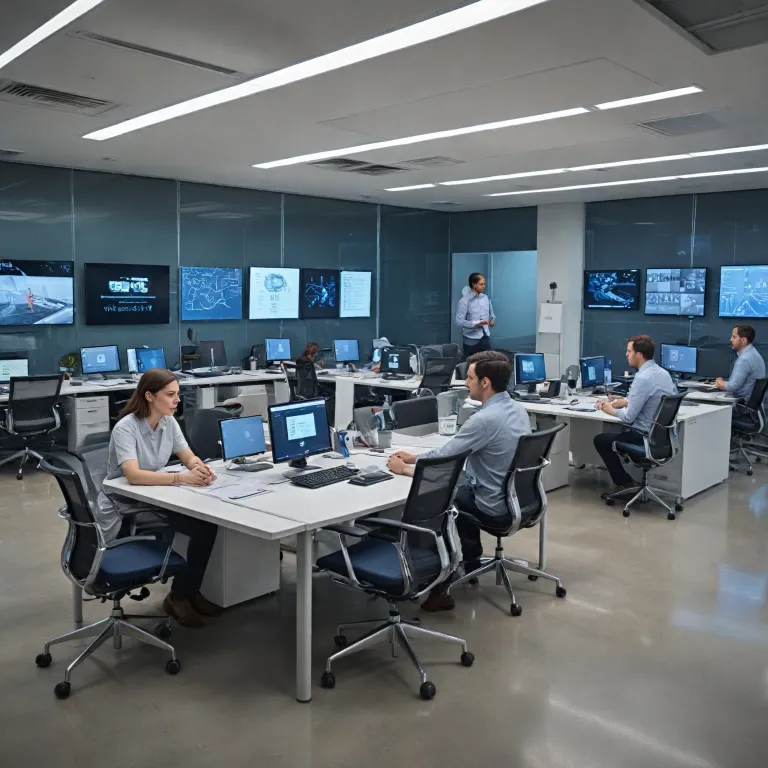
Rather than replacing HR professionals, AI is working together with staff to streamline tasks and improve decision-making. For example, AI-powered systems can analyze vast amounts of data to help managers identify high-potential employees and support staff corporate events. This collaboration allows HR teams to focus more on strategic initiatives and less on repetitive administrative work. If you are interested in how artificial intelligence can help spot high-potential employees, you can explore practical applications of AI in talent identification.
New opportunities and evolving roles
The rise of AI in HR has led to the creation of new roles, such as events manager for corporate events powered by data analytics, and software engineer positions focused on developing HR-specific AI solutions. Companies in San Francisco and beyond are actively looking for candidates to join their teams, with job listings for senior software engineers, together staff, and engineer together roles. These positions often require a strong background in machine learning and a willingness to adapt to evolving privacy policy and cookie policy standards.
- AI-driven HR roles are open across various levels, from junior to senior.
- Key skills include understanding artificial intelligence, machine learning, and data privacy policies.
- Collaboration between engineers and HR managers is essential for success.
- Job seekers can view job postings and apply to join innovative teams in locations like San Francisco, California.
Key skills for thriving in ai-driven HR roles
Essential Capabilities for Modern HR Professionals
As artificial intelligence continues to transform the human resources landscape, the demand for new skills is rising. HR professionals are now expected to blend traditional people management expertise with technical knowledge. Whether you are a manager, learning engineer, or backend engineer, understanding how to work alongside AI-driven tools is crucial for success in today’s job market.
- Data Literacy: HR staff must interpret data generated by machine learning models and artificial intelligence platforms. This includes analyzing inference results to inform hiring and talent management decisions.
- Technical Acumen: Familiarity with AI concepts, such as machine learning, is increasingly valuable. Roles like platform engineer or software engineer in HR tech companies, especially in hubs like San Francisco, often require hands-on experience with AI systems.
- Adaptability: The rapid evolution of AI means HR professionals need to stay open to new tools and approaches. This applies to both senior staff and those just starting their careers, as job requirements can shift quickly.
- Ethical Awareness: Understanding privacy policy and cookie policy implications is essential. HR teams must ensure that AI-powered recruitment and staff management respect candidate privacy and comply with regulations.
- Collaboration: Working together with engineers, events managers, and other staff is key. AI-driven HR platforms often require input from diverse teams to function effectively.
Many jobs in HR now list AI and machine learning as desirable skills. For example, listings for senior software or learning engineer positions in San Francisco, California, often mention experience with artificial intelligence models and backend systems. Some postings are only a few hours ago or days ago, showing how quickly the field is growing. If you are looking to apply or join a forward-thinking HR team, being open to learning about AI is a significant advantage.
For those interested in exploring how to start building these skills early, especially students or those considering a transition, there are resources available. Check out this guide on exploring AI internship opportunities for high school students to learn more about entry points into the world of AI-powered HR careers.
As the HR sector continues to evolve, professionals who embrace artificial intelligence and machine learning will be better positioned for open roles, from staff corporate events manager to senior platform engineer. The future of HR is about working together with technology to build stronger, more adaptive teams.
AI-powered recruitment and talent management
Transforming Recruitment with AI-Powered Tools
Artificial intelligence is rapidly changing how companies approach recruitment and talent management. In cities like San Francisco, California, where the demand for roles such as backend engineer, platform engineer, and software engineer is high, AI-driven solutions are helping HR teams streamline their processes. These tools use machine learning models to analyze job applications, screen candidates, and even predict future performance. This means jobs are filled more efficiently, and the candidate experience is improved.
- AI platforms can scan thousands of resumes in seconds, identifying the best matches for open positions like senior software engineer or staff corporate events manager.
- Machine learning inference helps HR professionals make data-driven decisions, reducing bias and improving diversity in hiring.
- Automated scheduling and communication tools ensure candidates are kept informed, whether they applied hours ago or days ago.
For those interested in joining the AI-driven HR revolution, there are many opportunities to apply for roles such as learning engineer, events manager, or even senior positions in artificial intelligence policy. Companies are actively seeking talent to engineer together new solutions and improve their talent management systems.
Enhancing Talent Management with Data-Driven Insights
Beyond recruitment, AI is also transforming how organizations manage and develop their staff. By leveraging artificial intelligence, HR managers can gain deeper insights into employee performance, engagement, and potential career paths. For example, AI-powered platforms can help identify skill gaps and recommend personalized learning opportunities for employees, supporting both junior and senior staff in their growth.
One practical application is the use of AI-driven templates for employee evaluations. These tools provide structured, unbiased feedback, making performance reviews more transparent and actionable. This is especially valuable for large teams, such as those in San Francisco tech companies, where managing diverse talent pools can be challenging.
- AI-driven analytics help managers understand workforce trends and make informed decisions about promotions, training, and succession planning.
- Automated systems ensure compliance with privacy policy and cookie policy requirements, protecting employee data while enabling smarter HR operations.
- Real-time dashboards allow HR teams to view job performance metrics and respond quickly to changing business needs.
As AI continues to evolve, HR professionals must stay informed about the latest developments in machine learning and artificial intelligence. By embracing these technologies, organizations can build stronger, more agile teams and create a workplace where everyone can thrive together.
Ethical considerations in ai for human resources
Balancing Innovation and Responsibility in AI-Driven HR
Artificial intelligence is transforming how human resources teams operate, from recruitment to talent management. But as organizations in San Francisco, California, and beyond adopt machine learning and AI-powered platforms, ethical considerations become central to building trust and ensuring fairness.Key Ethical Challenges for HR Professionals
- Bias and Fairness: AI models used in recruitment or staff evaluation can unintentionally reinforce existing biases. For example, if a machine learning model is trained on historical hiring data, it may favor certain profiles over others. HR managers and engineers must regularly audit algorithms to ensure fairness in jobs and promotions.
- Transparency: Candidates and employees have the right to understand how decisions are made. Whether you are a backend engineer, platform engineer, or events manager, it is crucial to communicate how artificial intelligence influences job applications, performance reviews, and career progression.
- Privacy and Data Protection: Handling sensitive employee data requires strict adherence to privacy policy and cookie policy standards. AI-driven HR platforms must safeguard personal information, especially when using inference engines or learning models to analyze staff performance or predict future job openings.
- Accountability: When AI systems make recommendations or automate decisions, HR professionals—whether senior software engineers or corporate events managers—remain responsible for outcomes. Clear policies and human oversight are essential to prevent errors and ensure ethical use of artificial intelligence.
Best Practices for Ethical AI in HR
- Regularly review and update AI models to minimize bias and improve accuracy.
- Engage together with cross-functional teams, including engineers, managers, and staff corporate, to set ethical guidelines.
- Provide training for HR professionals and engineers on responsible AI use, including how to interpret machine learning outputs.
- Maintain open communication with employees about how AI impacts their jobs and career development.
Adapting HR strategies for an AI-powered workplace
Shifting HR Strategies for an AI-Integrated Workforce
As artificial intelligence continues to transform human resources, organizations must rethink their HR strategies to stay competitive. The rise of AI-driven jobs, such as learning engineer, platform engineer, and backend engineer, means HR teams need to adapt their approaches to recruitment, talent development, and employee engagement. In cities like San Francisco and across California, the demand for senior software engineers and staff corporate roles has grown rapidly, with new positions opening just hours ago or days ago. This shift requires HR professionals to be agile and proactive in their planning.
Aligning Talent Management with AI Capabilities
To support together AI careers, HR managers should focus on integrating machine learning and artificial intelligence models into their talent management processes. This includes using inference tools to identify high-potential employees and leveraging data-driven insights to personalize learning paths. For example, a manager or events manager can use AI-powered platforms to match staff corporate events with the right talent, ensuring optimal team performance. Open communication about AI’s role in the workplace helps build trust and encourages staff to join together in embracing new technologies.
- Update job descriptions to reflect AI-related skills and responsibilities, such as experience with machine learning or artificial intelligence platforms.
- Encourage ongoing learning by offering training in AI tools and models, supporting both junior and senior staff.
- Promote collaboration between engineers, managers, and HR teams to foster a culture of innovation.
Policy and Compliance in the Age of AI
With the integration of AI, HR departments must also review and update policies to address privacy and compliance concerns. Adhering to a clear cookie policy and privacy policy is essential when handling employee data through AI systems. Transparency about how artificial intelligence is used in decision-making helps maintain employee confidence and meets regulatory requirements.
Supporting Career Growth in an AI-Driven Environment
AI is not just about automation; it’s about empowering people to grow. HR professionals can help employees apply for new roles, such as software engineer or senior platform engineer, by providing guidance on the skills needed for these positions. Highlighting opportunities to join together staff in innovative projects, whether in San Francisco or remotely, can boost engagement and retention. Regularly view job postings and encourage staff to explore open positions that align with their career aspirations.
By adapting HR strategies to the realities of artificial intelligence, organizations can create a future-ready workforce that thrives in a rapidly changing landscape.
Future trends in together ai careers for HR professionals
Emerging Roles and Skills in AI-Driven HR
The landscape of human resources is rapidly evolving as artificial intelligence becomes more integrated into daily operations. New jobs are emerging, such as learning engineer, platform engineer, and backend engineer, all focused on optimizing machine learning models for HR processes. Companies in tech hubs like San Francisco, California, are actively seeking senior software engineers and staff corporate events managers who can bridge the gap between traditional HR and advanced AI systems. These roles often appear as open positions just hours ago or days ago, highlighting the growing demand for professionals who can apply intelligence and inference to HR challenges.
Shifting Recruitment and Talent Management Practices
AI-powered platforms are transforming how organizations view job applications and manage talent. For instance, a manager or engineer together with HR teams can now leverage machine learning to identify the best candidates, streamline onboarding, and personalize employee development. The need for staff with expertise in artificial intelligence and machine learning is clear, especially as more companies adopt tools that automate repetitive tasks and enhance decision-making. This shift is creating opportunities for both junior and senior roles, from software engineer to events manager, across various industries.
Continuous Learning and Adaptation
To stay relevant, HR professionals must commit to continuous learning. Attending corporate events, joining together staff initiatives, and engaging with learning platforms are essential for keeping up with the latest advancements. Engineers and managers alike are expected to understand not only the technical aspects of AI but also the ethical and policy implications, such as privacy policy and cookie policy compliance. This holistic approach ensures that HR remains human-centric while embracing the benefits of artificial intelligence.
Preparing for the Future of Work
Looking ahead, the future of together AI careers in HR will likely involve even deeper collaboration between humans and intelligent systems. As more jobs open in cities like San Francisco, professionals who can engineer together innovative solutions and adapt HR strategies will be in high demand. Whether you are a staff corporate events manager, a senior software engineer, or a platform engineer, the ability to join multidisciplinary teams and apply machine learning to real-world HR challenges will define success in this evolving field.
